
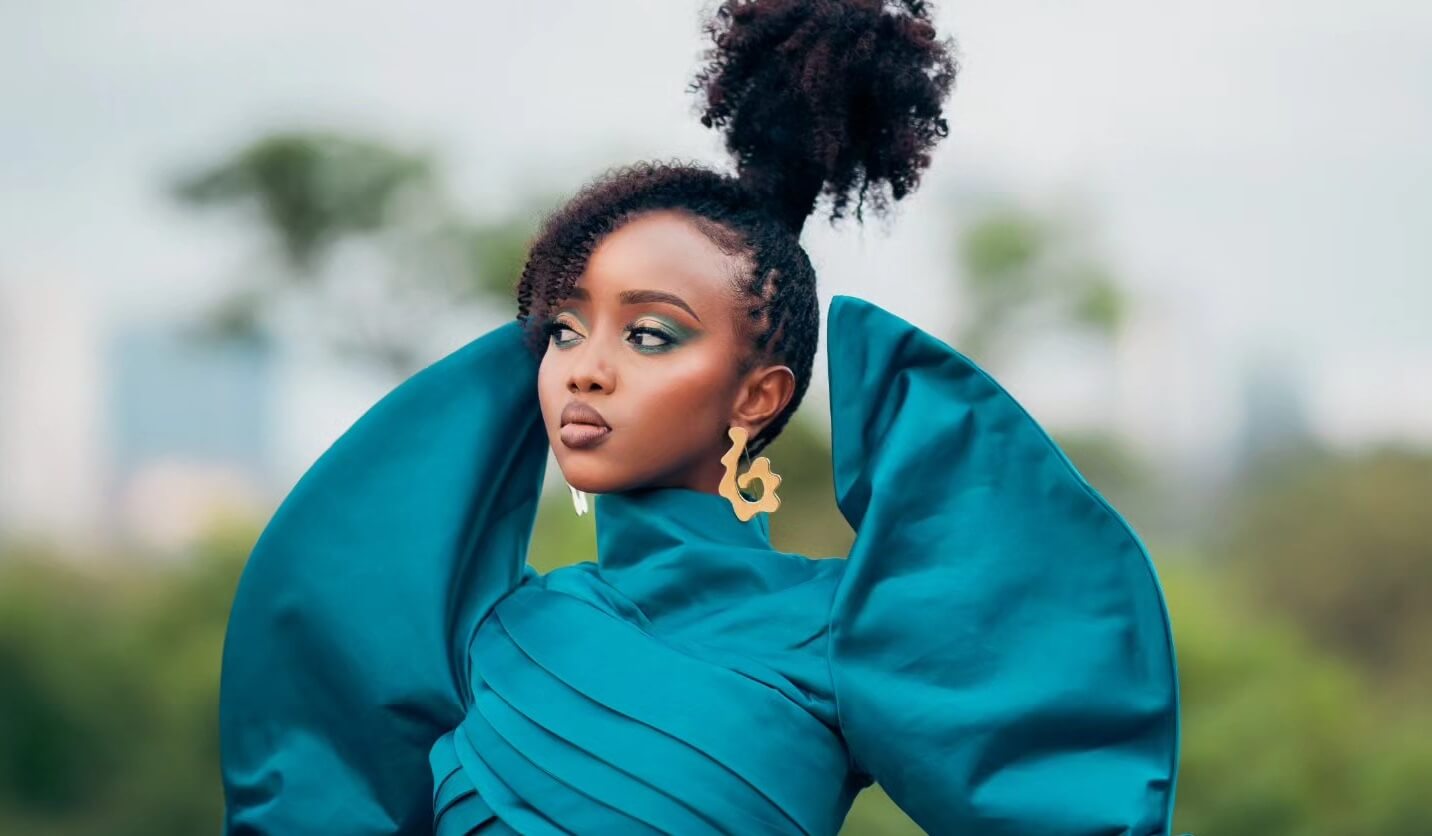
Actress Foi Wambui has found herself in a legal zwischenzug over the use of a copyrighted song in an advert she appeared in. At the centre of it all is fair use, and the blanket assumptions it has quietly granted creators in Kenya’s content marketplace.
A memorable case was when an unknown creator named Azziad Nasenya rose to fame overnight dancing to Femi One and Mejja’s hit “Utawezana,” capturing the internet’s attention almost by accident. Thousands of creators followed the trend, using copyrighted songs for their own dance videos, gaining personal fame and followers while popularising the songs in the process. None of them were sued. Most people assumed it was a win-win. It would be fair to say this was not the first time Foi had used someone else’s song for a video.
And yet here she is, in hot water. This looks like a case of two failures stacked on top of each other: a lack of legal guidance when her role as a creator turned commercial, and laxity somewhere in the corporate or agency team tasked with handling the creatives for the advert. She simply assumed she would do the video, as always, and collect a tidy sum for it.
And what of Oppo? Lazy? Assumptive? That is the only explanation that fits. This is a company with an entire marketing team, a legal department stocked with some of the best lawyers money can buy, and every resource needed to do due diligence on the commercial deals it signs with creators. They know the stakes in a dynamic creator ecosystem, and they know what a bad deal costs when someone steps out of line.
This is a case where ignorance is no defence. In court, both the creator and the company will have to answer for their actions and their inactions. Even before a judgment is handed down, the case has already rattled the creative industry, with more people now exercising caution before using someone else’s content.
It also points to a gap that government bodies need to close: educating creators on what fair use actually means for their work, and for the business side of that work, even as they plan to tax creative earnings more heavily. A musician, a dancer, or a content creator should know exactly where the line sits before they cross it.