
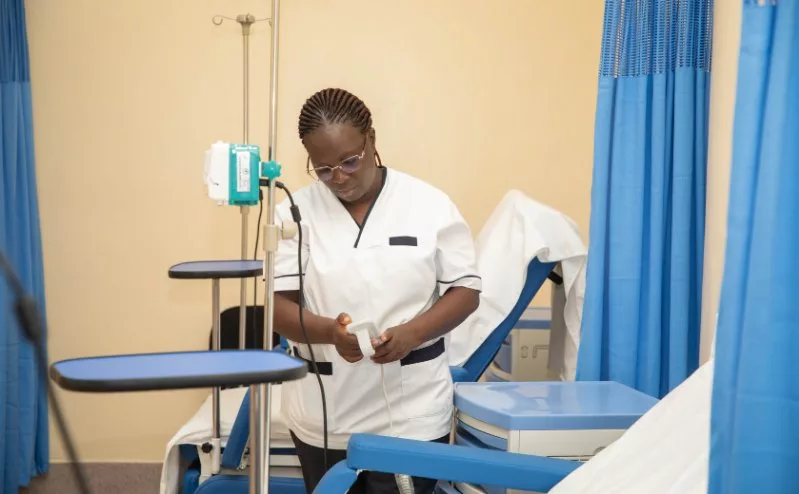
Kilifi County is recording a rise in cancer diagnoses, a trend health officials attribute not to a sudden spike in disease burden but to expanded screening efforts that are finally catching cases that would previously have gone undetected.
Kilifi County Referral Hospital has ramped up mobile cancer screening programmes across the county, with clinicians saying roughly ten new cases are now being identified every week. Officials at the facility say cervical cancer remains the leading cancer among women in the region, while prostate cancer is the most common among men, with many male patients unfortunately presenting only at an advanced, stage-four level, limiting treatment options.
Dr Amina Zuma, an oncology clinician at the hospital, said growing public awareness has driven more residents to come forward for testing. “Previously, many people did not know the importance of cancer screening. Today, because of sensitisation and mobile screening programmes, more residents are coming forward,” she said.
The hospital has also warned against reliance on herbal remedies in place of conventional treatment. Dr Isaac Wachira, a clinical pharmacist in the oncology department, urged residents with a family history of cancer to prioritise regular screening and to seek medical rather than herbal interventions once diagnosed, cautioning that delayed conventional treatment often allows the disease to advance.
According to Dr Gilbert Angore, the hospital’s Chief Executive Officer, the facility has invested in specialised training for its staff in Egypt and partnered with the Aga Khan Foundation to establish a dedicated outpatient cancer centre, part of a broader push to allow residents to access treatment locally rather than travelling to Mombasa.
Public health initiatives tied to the drive include HPV vaccination targeting girls under the age of ten and continued screening for precancerous cervical lesions, alongside chemotherapy coverage now available under the Social Health Authority. The hospital says it has plans to expand its inpatient capacity to accommodate a growing caseload as more residents seek care.
Health officials are framing the rising numbers as a public health success story rather than a cause for alarm, insisting that early detection through the expanded screening programme gives patients a far better chance at successful treatment than would otherwise be possible.