
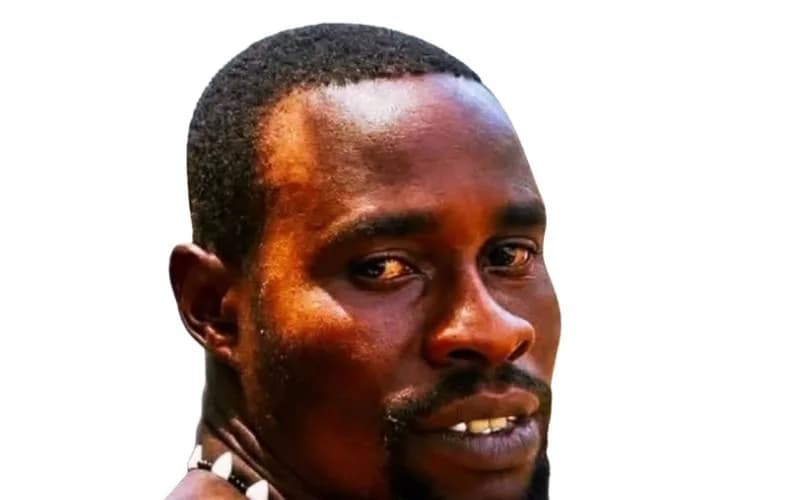
The arrest of Kassim Abdi Sebo, a man police have described as a suspected gang leader, has renewed attention on the deadly violence that disrupted a Linda Mwananchi political rally in Homa Bay County in August, raising fresh questions about accountability for political violence and the protection of public gatherings.
Sebo was arrested at Homa Bay Bus Stage on Thursday night, October 8, as officers from Homa Bay Police Station and the Directorate of Criminal Investigations (DCI) executed a warrant issued by the Homa Bay Law Courts on August 14. According to a police occurrence book report, the warrant relates to an allegation of assault causing actual bodily harm under Section 251 of the Penal Code.
Seven other men were also arrested during the operation on suspicion of obstructing officers attempting to apprehend Sebo. Police said the arrests were conducted under the command of Homa Bay County Police Commander Lawrence Koilem.
The circumstances surrounding the alleged assault have not been fully detailed in the available reports, and the allegations against all eight suspects remain subject to determination through the judicial process.
The arrest comes nearly two months after violence erupted on August 16, when leaders associated with the Linda Mwananchi movement visited Homa Bay. The political tour was disrupted as groups of youths reportedly blocked the leaders’ convoy from accessing parts of the town, while clashes, attacks and property destruction were reported around the rally.
According to reporting by the Daily Nation, investigators suspected that hundreds of youths had been mobilised ahead of the gathering, with some crude weapons allegedly distributed at least a day before the rally. The publication reported that police were investigating the events leading up to the violence, the confrontations themselves and incidents that followed.
The unrest had serious consequences. The National Police Service reported attacks on journalists, damage to police and civilian vehicles, and injuries to several officers. It also said a police vehicle lost control during the incidents, killing its driver and injuring five other officers. Separate reporting documented civilian deaths and destruction of property, including damage to businesses in Homa Bay town.
The National Police Service subsequently announced that 37 suspected gang members had been arrested in connection with the violence and that crude weapons, including machetes, knives, metal rods and batons, had been recovered. Police also vowed to pursue individuals suspected of recruiting, financing or facilitating the groups involved.
However, the police account has been contested. Linda Mwananchi leaders accused security agencies of failing to protect their convoy and alleged that some officers had acted alongside those attacking them. The movement called for investigations into the conduct of the police and intelligence services. These remain allegations, and the available reporting does not establish that the institutions or individuals accused were responsible for orchestrating the violence.
Sebo’s arrest has also been followed by renewed unrest in Homa Bay. Reports published on Friday indicated that groups of youths took to the streets, lit bonfires and barricaded roads while demanding his release. The demonstrations disrupted transport and affected businesses, adding to concerns about the county’s security situation.
The latest developments underscore the challenge facing law enforcement as Kenya moves towards the 2027 General Election, when political competition is expected to intensify. The arrest is a step in the investigation, but its significance will depend on whether investigators establish individual responsibility and present sufficient evidence before a court.
Beyond the immediate case, the August violence left questions about the organisation of political rallies, the mobilisation of armed groups and the ability of security agencies to protect the public without appearing partisan. A credible investigation would need to establish not only who participated in the attacks, but also whether anyone financed, coordinated or enabled them.
For Homa Bay residents, the priority is restoring normal activity and ensuring that political differences do not translate into further violence. For the authorities, the test is whether the case proceeds transparently, with due process respected and accountability pursued regardless of political affiliation.
Sebo and the seven other men arrested with him remain suspects, not convicted offenders. Their arrest does not by itself establish responsibility for the broader rally violence. The courts will ultimately determine the charges brought against them, while the wider investigation must establish who was responsible for the deaths, injuries and destruction that marked the August confrontation.