

Africa’s creative revolution is already happening. The next question is: who gets to own it?
From music and film to fashion, digital content, gaming, photography and storytelling, Africa’s young people are turning creativity into a career—and increasingly, into a business.
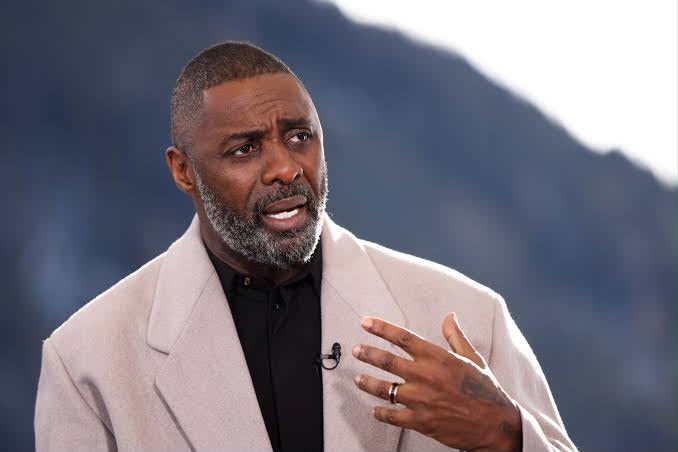
That future took centre stage when Principal Secretary for Foreign Affairs Abraham Korir Sing’Oei held a virtual meeting with British actor, filmmaker and Akuna Group founder Sir Idris Elba to discuss how Africa can build a stronger and more globally competitive creative economy.
Sing’Oei conveyed President William Ruto’s greetings and appreciation to Elba for his continued engagement with African talent and creative industries.
But beyond the usual conversations about “supporting young people,” the discussion touched on a question that resonates deeply with a generation building careers from laptops, smartphones, cameras and social media:
What does it actually take for African talent to make money, build brands and compete globally?
Talent is not the problem
Africa is not short of creative talent.
Every day, young Africans are producing music from bedrooms, shooting films on smartphones, building fashion brands on Instagram, creating viral TikTok content, designing digital art, developing games and telling stories that reach audiences far beyond their communities.
The challenge is turning that creativity into sustainable economic opportunity.
Drawing from his encounters with young creatives across Africa, Elba emphasized that encouragement alone is not enough.
Young creators need the infrastructure to turn talent into livelihoods.
That means reliable payment systems, professional networks, access to international markets, quality creative education and modern technology.
In other words, Africa’s next generation doesn’t just need applause.
They need access.
Access to markets.
Access to technology.
Access to mentors.
Access to financing.
Access to distribution.
And, most importantly, access to ownership.
The creator economy is changing the game
For Gen Z, the traditional definition of a workplace is already being rewritten.
A creator can have a global audience without having a traditional office. A filmmaker can build an international following before getting a cinema deal. A musician can distribute music globally without a major record label. A designer can sell directly to customers thousands of kilometres away.
The smartphone has become a studio.
Social media has become a distribution channel.
And the internet has become a global marketplace.
But having the tools to create is not the same as having the systems to prosper.
That is where policy, investment and partnerships become critical.
Africa needs an ecosystem where young people can move from content creators to creative entrepreneurs; from followers to customers; and from talent to intellectual-property owners.

Kenya wants a front-row seat
The conversation also looked ahead to the upcoming Commonwealth Summit in Antigua and Barbuda and the planned launch of the Commonwealth Creative Economy Partnership.
The initiative seeks to place young people, enterprise, technology and cultural expression at the centre of economic growth across Commonwealth member states.
For Kenya, this presents an opportunity to position the country as a major hub for Africa’s creative economy.
On behalf of President Ruto, Sing’Oei confirmed Kenya’s readiness to serve as a key continental base for the partnership.
The ambition is bigger than simply exporting Kenyan musicians, actors, filmmakers or digital creators.
It is about creating an ecosystem where African creatives can earn globally, tell African stories on their own terms and build businesses around their intellectual property.
Africa’s stories, Africa’s voice
For decades, much of Africa’s story has been told through external lenses. The rise of Africa’s creative economy creates an opportunity to change that narrative. Young African filmmakers can tell African stories. African musicians can define their own sound. African designers can shape global fashion. African digital creators can influence global conversations. And African entrepreneurs can build companies around all of it.
That is the bigger opportunity behind conversations such as the one between Sing’Oei and Elba.
It is not simply about entertainment.
It is about jobs, technology, culture, entrepreneurship, identity and economic power.
For a generation that has grown up digital-first, creativity is not merely something to do after work.
For many, creativity is the work. The task now is to build the systems that allow that creativity to pay.
And if Africa gets that right, the next global creative powerhouse may not be waiting to be discovered.
It may already be creating, posting, streaming and building—right here in Africa.