
Ethiopia and Eritrea have severed diplomatic relations in a rapid exchange of expulsions and recriminations, marking one of the most serious ruptures between the two neighbours in years and raising fresh alarm over stability in the Horn of Africa.
Addis Ababa moved first, announcing the closure of its embassy in Asmara and declaring ten Eritrean diplomats, including the charge d’affaires and staff accredited to the African Union, persona non grata. The affected officials were reportedly given 48 hours to leave the country. Ethiopia’s foreign ministry said the step was taken in response to what it described as Eritrea’s “direct and indirect acts of hostility,” and accused Eritrean diplomats of activity it said posed a threat to national security.
Asmara responded within hours, announcing it was severing all diplomatic ties with Ethiopia. Eritrean officials rejected the allegations as “astounding” and accused Addis Ababa of pursuing what they called an agenda of incessant hostility, including claims that Ethiopia has armed opposition groups and is seeking to force its way to the Red Sea coast.
The diplomatic collapse comes against a backdrop of intensifying fighting between Ethiopian federal forces and an alliance of opposition groups that is said to include elements of the Tigray People’s Liberation Front. Ethiopian officials have accused Eritrea, along with Sudan and Egypt, of backing the opposition alliance, while authorities in Ethiopia’s Afar region are reported to have said Eritrean soldiers crossed the border to join the offensive. Eritrea denies the claims.
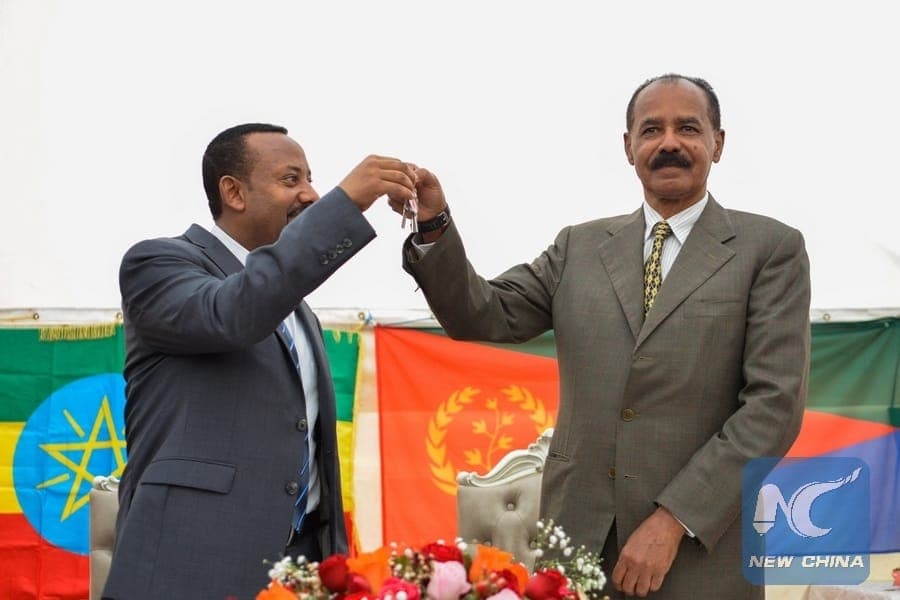
Long-standing friction between the two countries traces back decades, to Ethiopia’s annexation of Eritrea in 1962 and the thirty-year war that eventually secured Eritrean independence in 1993. Relations appeared to thaw after a landmark 2018 peace deal, but ties have visibly cooled in recent years, not least over Ethiopian Prime Minister Abiy Ahmed’s repeated public assertions that his landlocked country has a right to sea access, a position Asmara views as a direct threat to its sovereignty.
Regional bodies, including the African Union, are expected to come under pressure to intervene as concerns grow that the diplomatic rupture could tip into wider conflict. Analysts warn that a prolonged standoff between the two Horn of Africa neighbours could destabilise an already fragile region grappling with conflict in Sudan and recurrent humanitarian crises.