
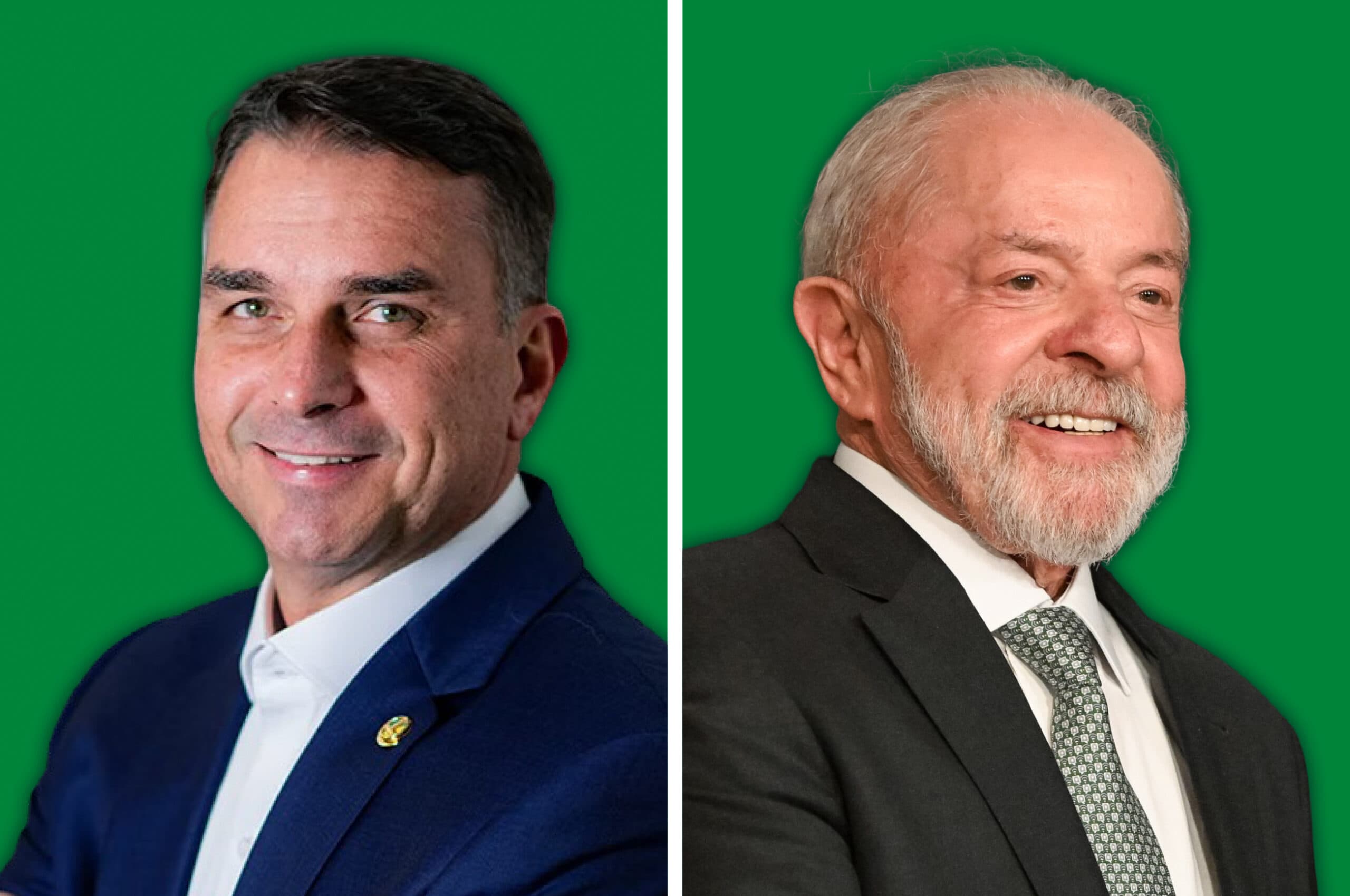
Brazil’s presidential election has become a consequential test of democratic resilience, with implications extending beyond Latin America. As incumbent Luiz Inácio Lula da Silva prepares to face far-right senator Flávio Bolsonaro in a runoff on October 25, the contest raises a fundamental question: can democracy withstand leaders who challenge its institutions while claiming to defend the people?
Flávio Bolsonaro secured 47.03 per cent of valid votes in the October 4 first round, narrowly ahead of Lula, who received 45.16 per cent. The result has strengthened the political prospects of the Bolsonaro family, whose patriarch, former president Jair Bolsonaro, is serving a 27-year prison sentence following his conviction over a plot to overturn the 2022 election results. The former president denies wrongdoing.
Flávio’s pledge to “re-democratise” Brazil has therefore attracted scrutiny. Critics fear that the language could provide justification for weakening judicial independence, granting amnesty to allies convicted over the attempted coup and reversing institutional safeguards established to protect constitutional government. The candidate rejects accusations of authoritarian intent, presenting himself as a defender of democratic freedoms.
These concerns cannot be dismissed as ordinary campaign rhetoric. Across several democracies, political movements have increasingly portrayed independent courts, electoral authorities and critical media as obstacles to popular sovereignty. The strategy is politically effective because it recasts constitutional restraints as instruments of an unaccountable elite.
The experiences of Hungary under Viktor Orbán and El Salvador under Nayib Bukele illustrate how elected leaders can accumulate power while retaining electoral legitimacy. Their supporters point to national security, public order and decisive leadership; critics warn that weakened institutional checks can leave citizens increasingly vulnerable to executive excesses. Brazil’s election will test whether similar political pressures can reshape Latin America’s largest democracy.
Yet a fair assessment must also recognise the limitations of Lula’s alternative. His administration’s emphasis on social protection, environmental conservation and international cooperation has not insulated it from public dissatisfaction. Economic pressures, concerns about crime, corruption controversies and fatigue with established political leadership have contributed to the appeal of his challenger. Flávio’s support should not be reduced to authoritarian sympathies alone; many voters are also expressing frustration with the incumbent government.
For Lula, victory would represent an opportunity to consolidate democratic institutions after the upheaval surrounding the previous administration. It would not, however, constitute a blank cheque. His government would still need to demonstrate accountability, protect institutional independence and address the economic and security concerns driving political disaffection.
A Bolsonaro victory, conversely, would not automatically mean the end of Brazilian democracy. Its significance would depend on how the new administration treated judicial independence, electoral legitimacy, opposition parties and constitutional limits. Nevertheless, proposals to reverse coup-related convictions or punish judges would raise serious questions about whether political power was being used to secure accountability or to insulate allies from it.
For Kenya and other democracies, Brazil offers an important lesson. Elections alone cannot guarantee democratic government; the institutions that constrain power matter equally. Political leaders must be judged not merely by promises of order or liberation, but by their willingness to accept limits, protect dissent and respect electoral outcomes.
Ultimately, Brazil’s voters will decide who governs. The world will be watching whether their choice strengthens democratic accountability or advances a model in which elections become instruments for concentrating power.