
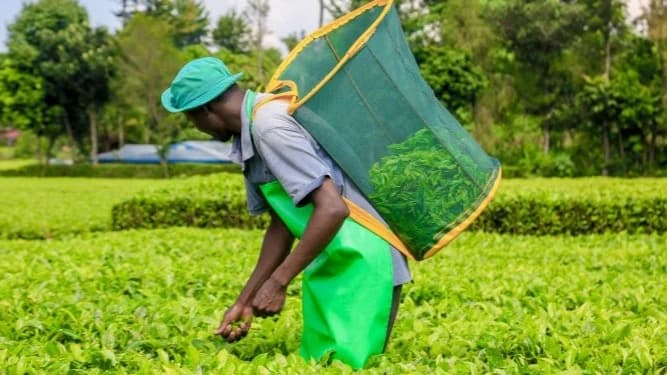
Smallholder tea factories across Kenya earned approximately Sh919.6 million at this week’s Mombasa Tea Auction, as buyers continued to show strong appetite for locally processed leaf despite a slight dip from the previous week’s sales.
The factories, which fall under the Kenya Tea Development Agency (KTDA) umbrella, moved roughly 2.59 million kilogrammes of made tea through the auction, according to figures released after the sale. The total was down marginally from the Sh965.3 million recorded the week before, a fluctuation industry players described as typical of week-to-week trading rather than a sign of weakening demand.
KTDA Holdings National Chairman Enos Njeru said the pricing reflected sustained confidence among international buyers in the quality of Kenyan tea, crediting farmers for continuing to pluck high-grade green leaf even as the sector navigates a challenging pricing environment. He noted that factories under the agency offered about 2.5 million kilogrammes during the week, with stakeholders pushing for consistent quality at the farm level to sustain processing volumes.
Across the wider Kenyan tea sector, including factories outside the KTDA network, the country generated an estimated Sh1.5 billion from just over 5 million kilogrammes sold during the week, with 48 international buyers taking part in the auction. Regional competition remains a factor in pricing, with Rwandan tea fetching a premium of around Sh414 per kilogramme at the auction compared with Sh299 per kilogramme for Kenyan tea, according to figures shared by industry officials.
Among the best-performing Kenyan factories by price per kilogramme were Githongo, Mununga, Gathuthu, Rukuriri and Ngere, all fetching well above the average rate and underscoring the wide variation in returns between high-altitude, high-quality growing zones and the rest of the sector.
Tea remains one of Kenya’s leading foreign exchange earners and a critical source of livelihood for millions of smallholder farmers, particularly in the central and Rift Valley highlands. Earnings from the Mombasa auction feed directly into farmer payouts, meaning weekly price movements are closely watched by growers already grappling with input costs and unpredictable weather patterns this season.
Industry stakeholders say sustaining buyer confidence will depend on continued quality control and stable output as the sector heads into the final quarter of the year.