
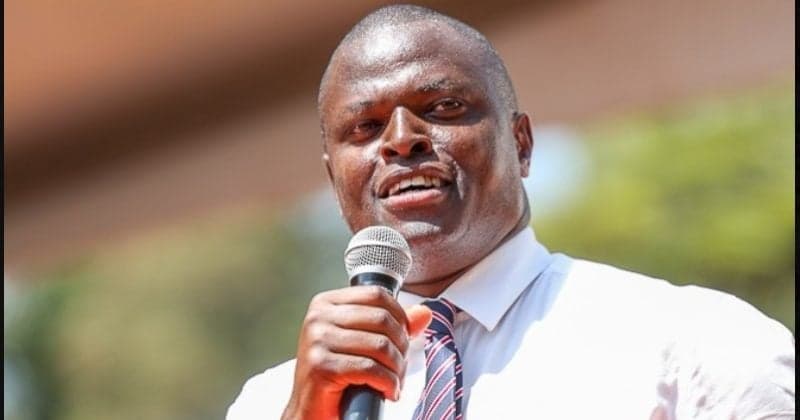
Kiharu MP Ndindi Nyoro’s refusal to withdraw allegations about political pressure on public institutions has earned him a five-sitting-day parliamentary suspension, turning a dispute over Kenya Pipeline Company shares into a confrontation over evidence, accountability and House discipline.
National Assembly Speaker Moses Wetang’ula imposed the sanction on Wednesday, October 7, after Nyoro declined to apologise for claiming that calls from higher offices influenced public agencies to invest in the company’s initial public offering. Wetang’ula ruled that his refusal amounted to grossly disorderly conduct.
At the centre of Nyoro’s allegations were investment decisions involving the National Social Security Fund, the Public Service Superannuation Fund and Kenya Re. He alleged that the institutions had been directed to buy shares as the offer approached the close of its investment window. Those claims were contested during the parliamentary exchange and were not substantiated before the ruling.
Majority Leader Kimani Ichung’wah and Minority Leader Junet Mohamed demanded that Nyoro provide evidence or withdraw his remarks. Ichung’wah argued that the allegations risked damaging the reputations of professionals working in the institutions, while Junet pressed the legislator to apologise if he could not support his account.
Nyoro maintained his position and requested two additional weeks to present supporting material. Wetang’ula rejected that request, explaining that the disputed remarks had already been expunged from the parliamentary record. The Speaker subsequently directed him to withdraw and apologise, but the Kiharu legislator refused to comply.
The confrontation exposed two competing positions. Nyoro insisted that his remarks were truthful and sought more time to substantiate them. The Speaker maintained that parliamentary debate must follow House rules, including compliance with directions to retract remarks ruled out of order.
Beyond the disciplinary exchange, the involvement of pension institutions gives the dispute a wider public significance. Questions about how retirement savings are invested concern contributors whose future benefits depend on those funds. However, the participation of a public institution in a share offer does not itself establish that political pressure influenced its decision.
Speaking to journalists after the ruling, Nyoro said he had not received sufficient time to substantiate his allegations through parliamentary procedures. He accepted the disciplinary decision but maintained that he intended to provide evidence and would continue speaking about public resource management and the protection of pensioners’ funds.
His response kept the investment issue alive outside the chamber, even as the suspension curtailed his participation in parliamentary business. It also left a distinction between the sanction imposed for his conduct and the unresolved substance of the allegations.
The suspension does not establish whether the alleged calls occurred. Equally, Nyoro’s insistence that his account is truthful does not substitute for supporting evidence. Records explaining the institutions’ investment decisions would be material to assessing his claims.
For now, the parliamentary outcome is a five-sitting-day suspension. Nyoro maintains his allegations, while the House leadership has demanded substantiation and compliance with the Speaker’s directions.