
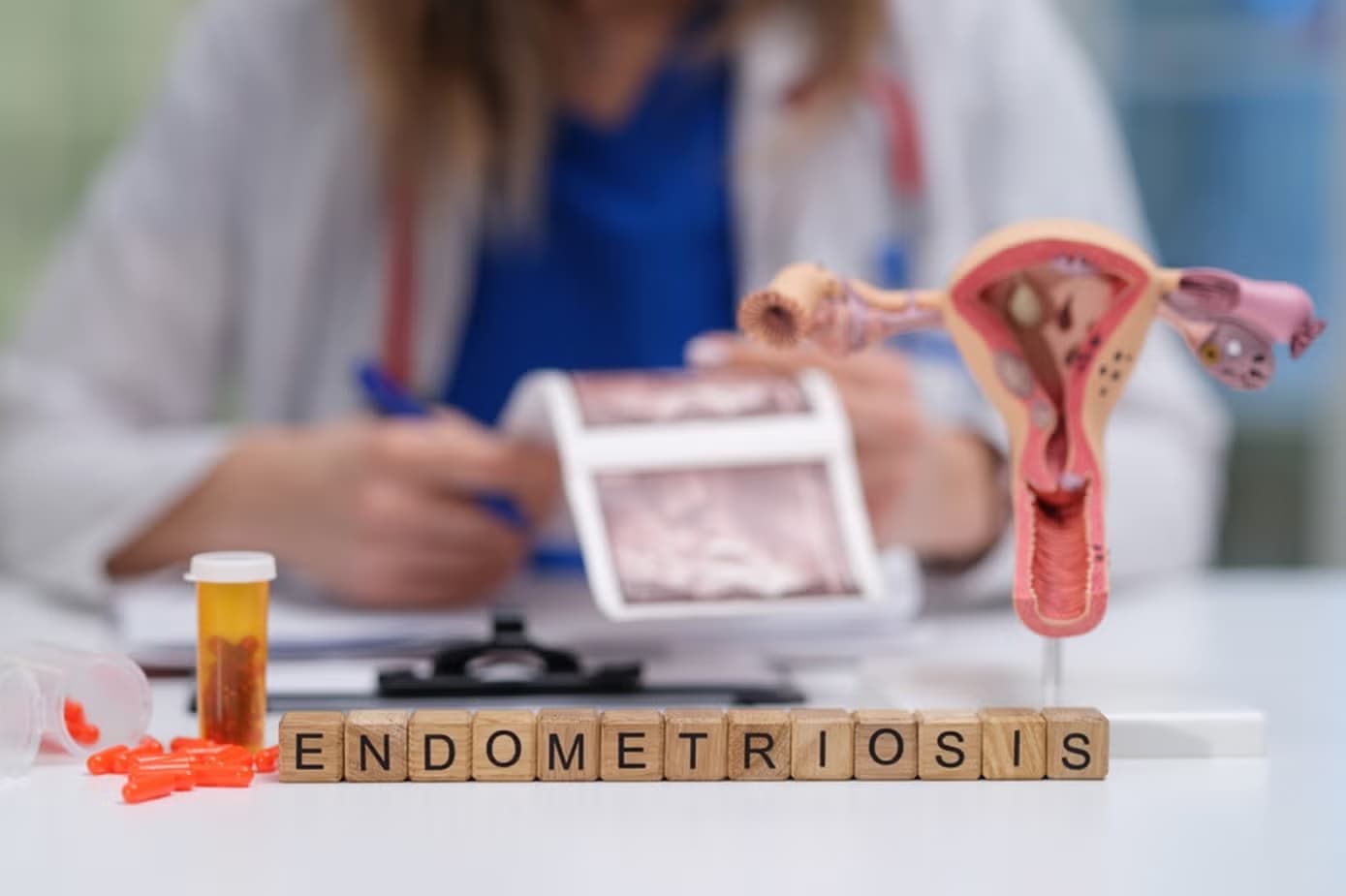
Women living with endometriosis could soon have access to faster, less invasive ways of confirming the condition, as researchers and private companies develop new diagnostic tests that do not require surgery.
Endometriosis, a condition in which tissue similar to the uterine lining grows outside the womb, is notoriously difficult to diagnose. Patients are said to wait an average of seven to nine years between the onset of symptoms and a confirmed diagnosis, a delay that specialists say often worsens pain and complicates treatment.
Traditionally, a definitive diagnosis has required laparoscopic surgery, an invasive procedure that many women are reluctant to undergo, particularly when symptoms are dismissed early on as ordinary menstrual discomfort. Researchers, including a team associated with the University of Cincinnati, are now exploring alternative approaches that could spare patients the need for an operation altogether.
Among the emerging options are saliva-based tests designed to detect genetic markers potentially linked to the condition, blood tests that look for proteins said to be elevated in affected women, and tests that measure electrical signals in the digestive system for diagnostic clues. Several private firms are said to be behind the development of these tools, with some already offering them commercially in select markets.
Medical experts, however, are urging caution. The studies underpinning many of these tests reportedly involve relatively small sample sizes, and regulators in some jurisdictions have yet to formally approve any non-invasive test specifically for diagnosing endometriosis. Questions have also been raised about independence, since a number of the studies were funded or conducted by the same companies marketing the tests.
Specialists advise that women experiencing severe pelvic or period pain should still consult a qualified healthcare provider rather than relying solely on commercial testing kits. A positive result on these emerging tests does not necessarily confirm endometriosis, they caution, just as a negative one does not rule it out.
Even so, the push for non-surgical diagnostic options is being welcomed by patient advocates, who have long argued that the lengthy, invasive path to diagnosis has left too many women suffering in silence for years before getting answers, and proper treatment.