
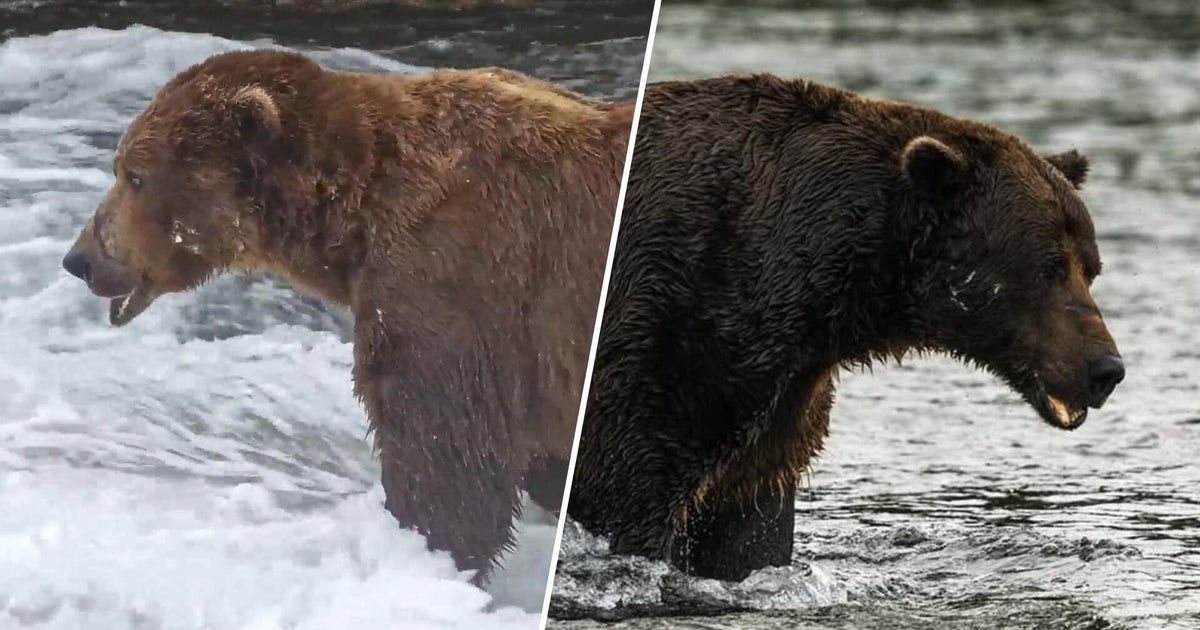
Voting in one of the internet’s most beloved seasonal traditions, Fat Bear Week, is underway at Alaska’s Katmai National Park, and organisers have had to extend the contest after a flood of eager fans briefly overwhelmed the competition’s website.
The annual event, now in its second decade, celebrates the seasonal transformation of the park’s brown bears as they gorge themselves on salmon to build up fat reserves ahead of winter hibernation. Park rangers track the bears throughout the summer using webcams stationed along the Brooks River, and fans around the world tune in to watch the animals bulk up before casting votes for their favourite in a bracket-style knockout competition.
This year’s contest features sixteen bears competing for the title, four more than the usual field of twelve, reflecting what park officials describe as an especially strong season for the bear population. Among the contenders is last year’s champion, a bear known to fans as 32 Chunk, who returns to defend his crown against a mix of familiar names and newcomers, including bears nicknamed Backpack, Walker, Bucky, Gully, Electra, Marshmallow and Studious, alongside several bears identified only by their tracking numbers.
Voting for the first round opened earlier in the week but had to be extended by a day after an unexpectedly large surge of visitors temporarily crashed the competition’s official website, a hiccup organisers took in stride given the event’s growing global following. The bracket is now set to conclude next week.
Park officials say this season has also been notable for the number of cubs spotted at Brooks Camp, describing a new generation of bears getting an early start on the fattening process that has made the park famous among wildlife watchers.
“There are more cubs at Brooks Camp this year than have been seen in a long time. A new generation of fat bears is taking shape, and they’re off to a strong start,” the park’s superintendent said in comments accompanying the announcement.
Fat Bear Week has grown from a niche wildlife curiosity into a genuine global phenomenon since it began, drawing hundreds of thousands of votes each year and offering a lighthearted counterpoint to the more serious business of conservation messaging. For a few weeks every autumn, it turns the simple act of eating as much as possible into a source of harmless, widely shared delight.