
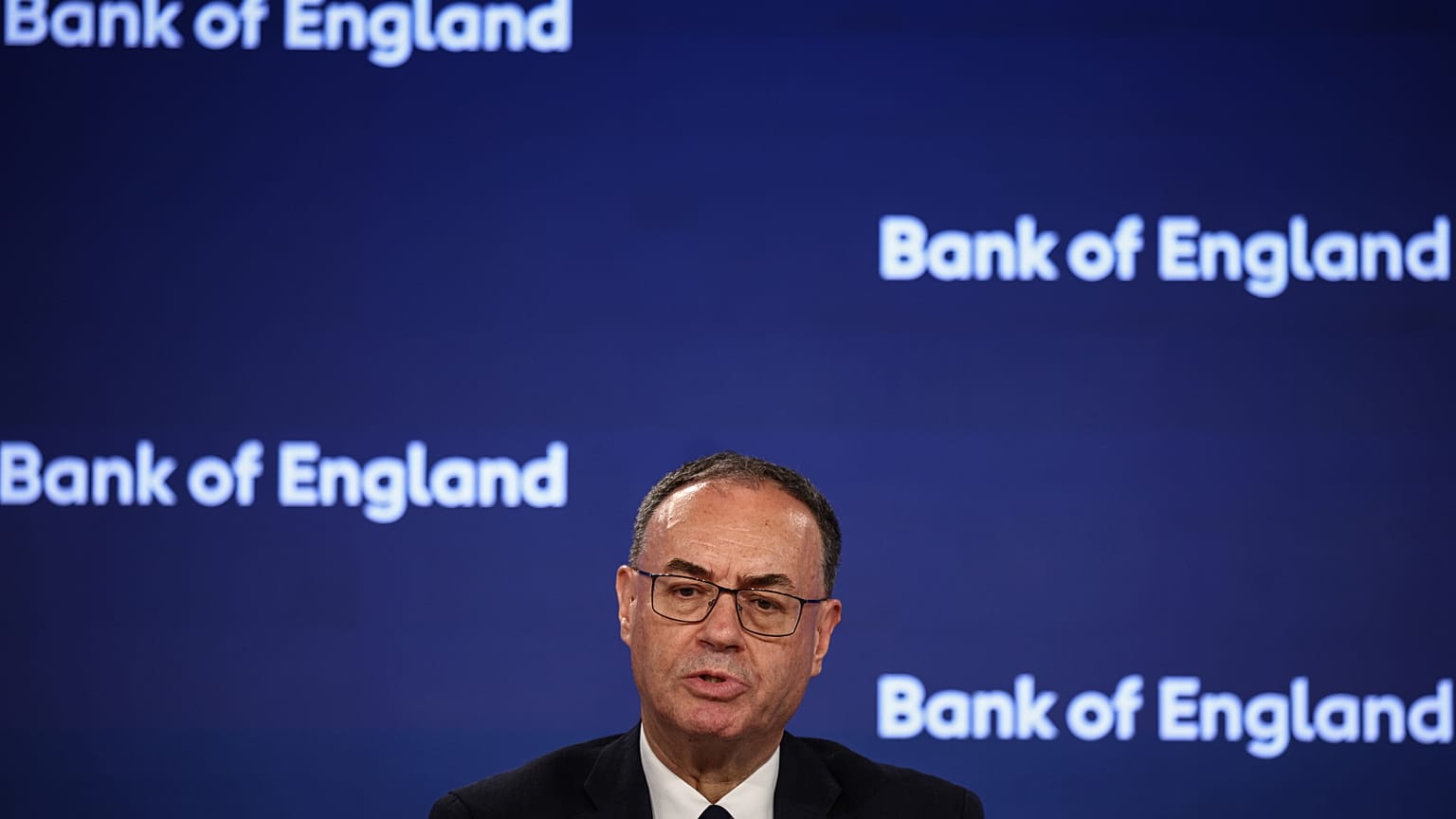
London, Sept. 17 — The Bank of England has kept its benchmark interest rate unchanged at 3.75 percent, resisting pressure from within its own ranks to tighten policy further as inflation in Britain climbed to a five-month high.
The Monetary Policy Committee voted 6-3 to hold the rate, with three members pushing for a quarter-point increase to 4 percent. The split vote underscores growing unease among policymakers over price pressures that officials say have proven more stubborn than anticipated just a few months ago.
UK inflation is reported to have reached 3.1 percent, driven largely by volatile energy prices linked to ongoing tensions stemming from the conflict involving Iran. Energy markets have been on edge for months as the standoff has periodically disrupted supply routes and rattled global oil pricing, feeding directly into household bills and business costs across Britain.
In its accompanying statement, the committee cautioned that inflation “is likely to rise further over coming quarters,” and flagged concern that so-called second-round effects — where higher energy costs begin feeding into wages and broader pricing decisions — could take hold if elevated prices persist. Policymakers said the risks to the inflation outlook have intensified since their assessment in July.
The decision to hold rather than hike sets the Bank apart from some peer central banks that have leaned toward tightening in recent months, a divergence that is likely to keep currency and bond markets watching closely for signs of where UK policy heads next. Governor Andrew Bailey has previously stressed that the Bank will weigh incoming data meeting by meeting rather than commit to a fixed path.
For Kenyan and East African markets, movements in UK monetary policy carry indirect but real weight. Britain remains a significant trading and investment partner for the region, and shifts in the pound, UK borrowing costs and investor appetite for risk can ripple into everything from diaspora remittance flows to the cost of dollar- and sterling-denominated debt held by regional governments and corporates.
Analysts say the next major test for the Bank will come as fresh inflation and employment data are released in the coming weeks, which could either vindicate Thursday’s cautious hold or strengthen the case made by the three dissenting policymakers for a swifter move upward.