
The courtship between the Orange Democratic Movement (ODM) and President William Ruto’s United Democratic Alliance (UDA) is entering increasingly delicate territory, with ODM leader Oburu Oginga pushing back against demands for a written coalition agreement ahead of the 2027 General Election.
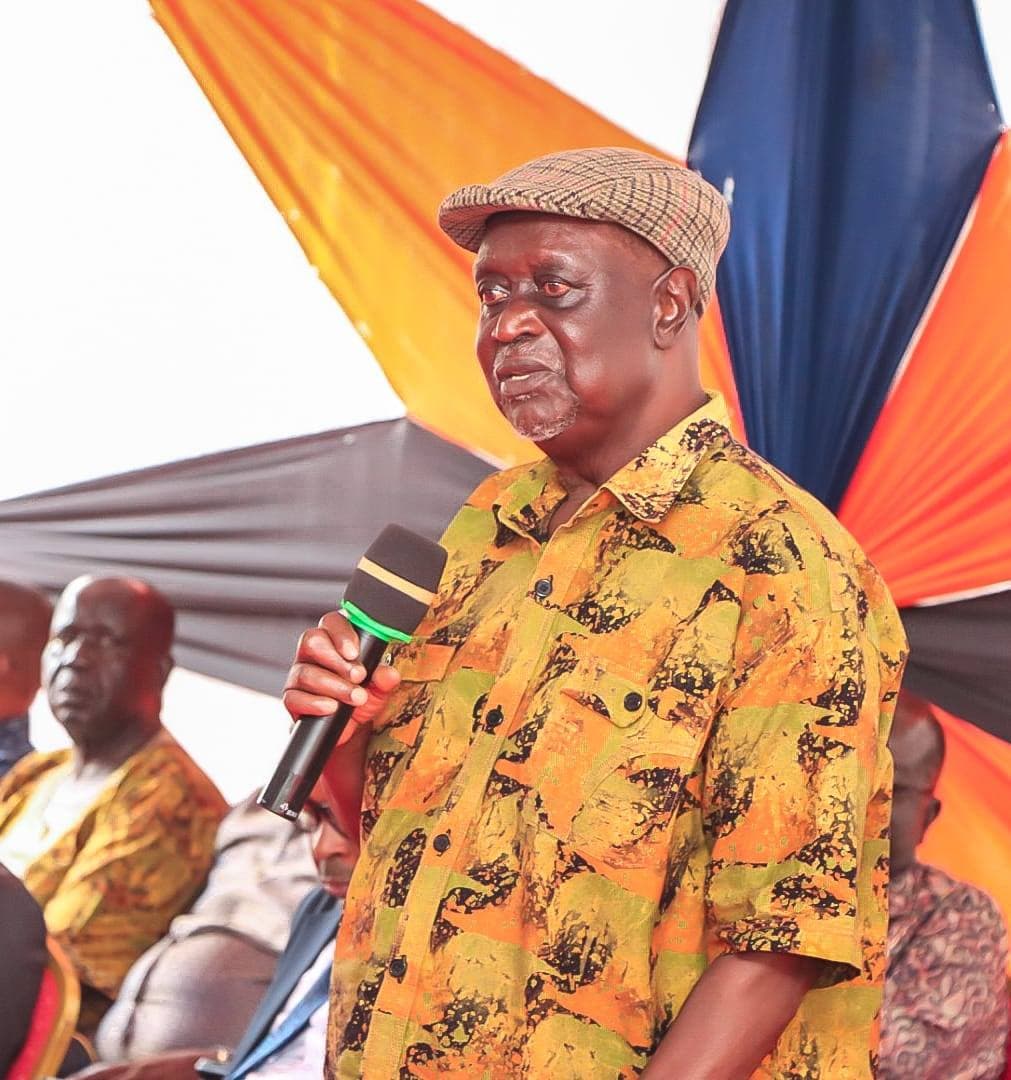
In a statement issued on Thursday, October 29, Oburu defended the party’s negotiating machinery, warning politicians outside ODM against attempting to dictate the terms of its engagement with the ruling party. He dismissed suggestions that the negotiations must necessarily culminate in a written agreement, insisting that ODM possessed legitimate structures and experienced leadership capable of protecting its interests.
“These negotiations are serious political engagements, not public spectacles to be conducted in the glare of television cameras,” Oburu declared, signalling his preference for discreet negotiations over the increasingly public contestation surrounding the proposed alliance.
His intervention, however, has exposed an uncomfortable question within ODM: what exactly is the party negotiating for, and what guarantees will it secure in return for supporting Ruto’s re-election?
The disagreement is not merely procedural. It concerns the distribution of political power, the preservation of ODM’s identity and the credibility of commitments made by successive political administrations. Some party figures believe that goodwill demonstrated by the government, including appointments and development initiatives, provides sufficient grounds for continued cooperation. Others insist that political support without binding guarantees risks leaving the party electorally useful but institutionally disadvantaged.
Homa Bay Senator Moses Kajwang and Homa Bay Town MP Peter Kaluma have advocated for a written agreement, arguing that the party must establish clear terms before committing its political machinery to Ruto’s second-term ambitions. Kisumu Woman Representative Ruth Odinga has similarly cautioned against entering an arrangement without legally binding commitments.
On the other side, leaders including Treasury Cabinet Secretary John Mbadi and Nyando MP Jared Okello have defended continued cooperation, questioning whether a written document can guarantee political fidelity.
Oburu, meanwhile, has maintained that implementation of the ten-point agenda agreed upon by Ruto and the late Raila Odinga remains non-negotiable. The framework addresses electoral reforms, the cost of living, human rights, corruption, devolution and youth employment, among other national concerns.
The negotiations have acquired additional significance following ODM’s January decision to initiate structured pre-election coalition talks with UDA. Oburu has previously floated a 50-50 power-sharing arrangement, with even the presidency open to negotiation.
For Ruto, an alliance with ODM could provide a formidable political constituency. For ODM, the calculation is considerably more complicated: how to translate its electoral influence into meaningful political leverage without surrendering its independence.
As the two parties negotiate, Oburu may insist that outsiders keep their counsel. But within ODM, the question of what constitutes a fair political bargain is unlikely to disappear behind closed doors.